
From the Blog
A Multiday Client Visit Example That Runs Smoothly
Use this multiday client visit example to plan executive transportation, airport arrivals, meetings, dinners, and departures across Chicago with confidence.
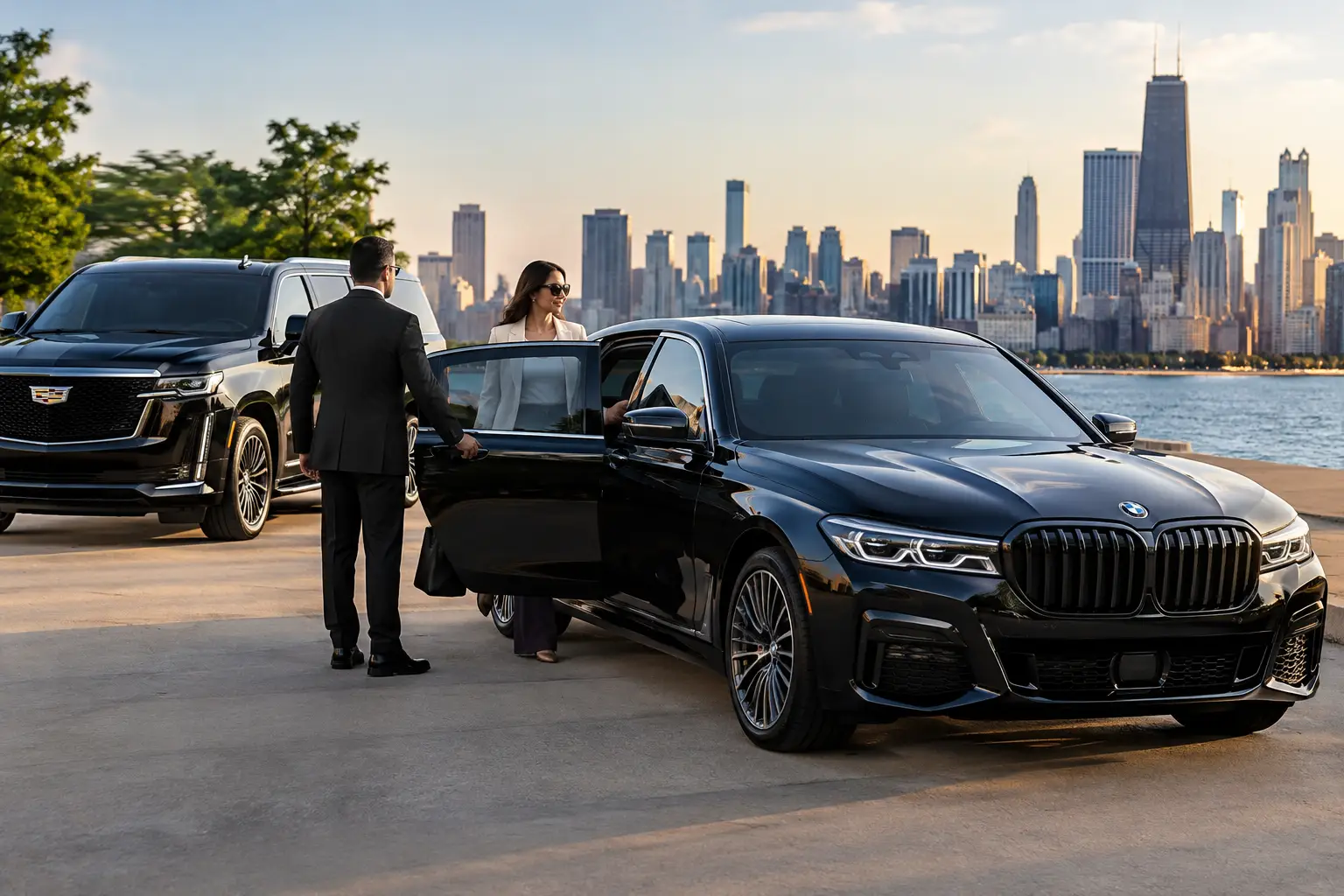
A multiday client visit example is most useful when it reflects the details that can derail an otherwise well-planned executive schedule: a delayed flight into O'Hare, luggage for three travelers, a downtown meeting that runs long, and a dinner reservation where arriving even ten minutes late changes the tone of the evening. Premium ground transportation should make those moving parts feel composed, not complicated.
For corporate hosts, travel managers, and executive assistants, the objective is not simply to arrange rides. It is to create a reliable transportation plan that protects the client's time, maintains privacy between appointments, and gives the host team clear control over every pickup.
Why multiday client transportation needs a single plan
A one-way airport transfer can be booked in minutes. A two- or three-day client program requires a different level of coordination. There may be multiple passengers arriving on separate flights, changing meeting locations, luggage that needs to remain secure during appointments, and evening engagements that finish at different times.
When each ride is treated as an isolated reservation, gaps appear. A guest may need to call for a vehicle after dinner, an SUV may arrive with insufficient cargo space, or an itinerary change may not reach the chauffeur assigned to the next leg. A consolidated itinerary gives dispatch, chauffeurs, and the host organization one operating plan.
The right vehicle depends on the party, the luggage, and the character of the visit. An executive sedan is refined for one or two travelers with light luggage. A full-size SUV or Cadillac Escalade ESV is often a better fit for airport arrivals, additional bags, or a principal traveling with colleagues. For visiting teams, a Mercedes-Benz Sprinter or executive minibus keeps the group together and avoids the inefficiency of coordinating several separate vehicles.
A three-day multiday client visit example
Consider a Chicago-based manufacturer hosting three senior clients from Dallas for a site visit, strategy sessions, and an evening hospitality program. The travelers are staying at a hotel in the Loop, meetings take place downtown and in Oak Brook, and two guests depart from O'Hare on the final afternoon.
Day one: Arrival without a wait at the curb
The visit begins with two arrivals at O'Hare. The first client lands at 11:20 a.m.; two colleagues arrive at 1:05 p.m. on a separate flight. Rather than assigning a single airport pickup and hoping the schedules align, the host reserves a Meet & Greet arrival for the first traveler and a second vehicle for the later pair.
Flight details are included in both reservations so the transportation team can monitor arrival changes. The first chauffeur meets the client at the designated location, assists with luggage, and provides a direct transfer to the hotel. The later pair travels in a full-size SUV, allowing room for carry-on bags, checked luggage, and a comfortable ride after a full morning of travel.
The afternoon remains intentionally light. Each party is taken to the hotel, with enough time to settle in before a 5:30 p.m. pickup for dinner in River North. One SUV handles the evening transfer for all three guests and their internal host. The chauffeur remains available under an hourly arrangement until dinner concludes, rather than requiring the group to predict an exact finish time.
This is a useful choice for client hospitality. An hourly vehicle costs more than a single point-to-point return, but it removes uncertainty when conversations run long or the group decides to continue the evening elsewhere. For a fixed reservation at a venue with a firm end time, scheduled pickup can be the more efficient option.
Day two: Protecting the business agenda
The most demanding day starts at 8:00 a.m. The clients need transportation from the Loop hotel to a downtown office for a presentation, then to Oak Brook for a facility tour, followed by lunch and a return to the city for an afternoon strategy session.
A dedicated executive SUV is placed on an as-directed schedule from morning through the final meeting. The chauffeur arrives early, confirms the first pickup point, and remains positioned for each transition. Luggage stays at the hotel, so the vehicle can prioritize passenger comfort rather than cargo capacity.
The distinction matters. If the host booked individual point-to-point rides, every agenda adjustment would create another coordination task. With an as-directed chauffeur, the executive assistant can communicate a revised departure time or address through dispatch, while the client remains focused on the meeting. The vehicle also provides a discreet place for calls and private conversation between appointments.
At 6:45 p.m., the group is collected for a hosted dinner. The evening involves six people, so a Mercedes-Benz Sprinter provides generous seating without splitting the party. It also gives the host team flexibility if an additional executive joins from a nearby office.
The Sprinter returns guests to their hotel after dinner. Because the following morning starts later, the host can avoid paying for overnight vehicle standby while still confirming the next day's schedule in advance.
Day three: A precise departure sequence
On the final day, the clients have a breakfast meeting near the hotel, then a 10:30 a.m. recap at the host's downtown office. One traveler has a 2:20 p.m. O'Hare departure, while the other two have a later 5:45 p.m. flight.
The first airport transfer is scheduled for 11:45 a.m., allowing a measured departure from the office rather than a rushed exit. The remaining clients continue to a nearby lunch with the host team. Their SUV arrives at 2:50 p.m. for the airport, with sufficient room for bags collected from the hotel earlier that morning.
Separating the airport runs costs more than putting everyone in one early vehicle, but it preserves the value of the final client engagement. In executive travel, the lowest-effort transportation decision is not always the one that best serves the relationship.
Details to confirm before reserving
A polished itinerary starts with accurate information. Confirm the full names and mobile numbers of primary travelers, flight numbers, airline, arrival dates, pickup addresses, and destination addresses. For airport service, include the number of checked bags as well as passengers. A vehicle that seats five may not comfortably accommodate five adults with large suitcases.
Build realistic buffers into the schedule. Chicago traffic, winter weather, convention activity, and peak airport periods can affect drive times. Your transportation provider can advise on suggested pickup timing, but meeting organizers should also account for building access, security check-in, elevator time, and the walk from a hotel lobby to the vehicle.
For every event pickup, identify the exact entrance and a primary on-site contact. A downtown hotel may have separate doors for guests, banquet traffic, and vehicle staging. A clear pickup instruction prevents clients from standing at the wrong curb while the chauffeur is correctly positioned elsewhere.
It also helps to identify which portions of the itinerary are fixed and which are flexible. Airport departures and ticketed events require firm timing. Facility tours, lunches, and post-meeting transfers may benefit from hourly service or a flexible dispatch plan.
When a multiday itinerary changes
Changes are normal, especially when senior clients are involved. The most effective approach is to send one updated instruction through the dispatcher rather than asking guests to manage the adjustment themselves. If a meeting moves from Oak Brook to downtown, or dinner adds two attendees, dispatch can assess whether the assigned vehicle still fits the revised plan.
Vehicle changes should be addressed early. A sedan may be ideal for a single executive arrival, but it may not be suitable once two colleagues and additional luggage are added. The same applies to evening programs: a group of eight may travel more comfortably in a Sprinter than in two SUVs, particularly when the host wants everyone arriving together.
Chicago Executive Limousine can coordinate airport monitoring, professional chauffeur assignments, and multistop schedules through a single reservation plan. Providing the full itinerary upfront gives the dispatch team the context to anticipate transitions rather than react to them.
A client visit is remembered in the minutes between the meetings as much as in the meetings themselves. When every pickup is clear, every vehicle fits, and every departure has room for the unexpected, your guests can give their attention to the relationship you invited them to build.